Orthodontics for Teenagers: A Guide to a Healthier, More Confident Smile
Orthodontics for Teenagers: A Guide to a Healthier, More Confident Smile
Approximately 45% of teenagers require braces to correct misaligned teeth and bite issues. On top of academic pressure and social dynamics, a misaligned smile can feel like an extra burden. However, orthodontic care is far more than a cosmetic fix. It addresses functional issues affecting speech and eating habits, making it a vital part of healthy development.
This guide provides insights into orthodontic solutions for teens and offers practical advice to improve both their appearance and overall health.

Read More: Orthodontists Vs Dentists
Why the Teenage Years are Ideal for Treatment
Ages 11 to 15 are a unique window for orthodontic care. Because teens experience rapid growth spurts and high metabolisms, their bodies respond more effectively to treatment than adults.
By adolescence, most baby teeth have been replaced by permanent ones. This allows orthodontists to fix spacing and bite issues before they worsen. If left untreated, these problems can lead to jaw pain, enamel damage, tooth decay, and difficulty chewing. Correcting these issues during a growth phase often results in shorter and more effective treatment times.
Read More: Different Styles of Braces
Different Types of Orthodontic Treatment
Choosing the right treatment depends on a teen’s lifestyle and specific dental needs.
Traditional Metal Braces: These are highly durable and effective for complex cases. Modern versions are smaller and offer colorful bands for personalization. While they are visible, they remain the most affordable and efficient option.
Ceramic Braces: These function like metal braces but use tooth-colored brackets to be less noticeable. They offer a great balance between effectiveness and aesthetics.
Clear Aligners (Invisalign): These custom-made, removable trays are virtually invisible. They are comfortable and allow for easier eating and brushing. However, they require high discipline, as they must be worn for 20 to 22 hours a day.
- Read More: Different Types of Invisalign
Quick Guide: Which is Right for Your Teen?
| Choose Traditional Braces if... | Choose Clear Aligners if... |
| Your teen prefers a "set it and forget it" approach. | Your teen is highly disciplined and responsible. |
| They want to customize their look with colors. | Aesthetics and "invisibility" are top priorities. |
| The case involves complex jaw or tooth rotation. | They play sports or instruments where trays are easier. |
| You want a more budget-friendly solution. | You want the convenience of no food restrictions. |
- Read More: Underbite Correction
The Advantages of Orthodontic Care
Strengthens Oral Health: Properly aligned teeth are easier to brush and floss, reducing the risk of cavities and gum disease.
Improves Speech Clarity: Teeth placement is crucial for pronunciation. Braces can significantly improve a teen's ability to speak clearly.
Aids Digestion: Correcting a misaligned bite ensures food is broken down properly, which supports better overall digestive health.
Prevents Jaw Pain: Aligning the jaw reduces strain on muscles and joints, preventing future disorders like TMJ.
Reduces Tooth Damage: Straight teeth are less likely to chip or crack during physical activities compared to protruding or crooked teeth.
Boosts Confidence: A straight smile is often linked to higher self-esteem, helping teens navigate social challenges with more confidence.
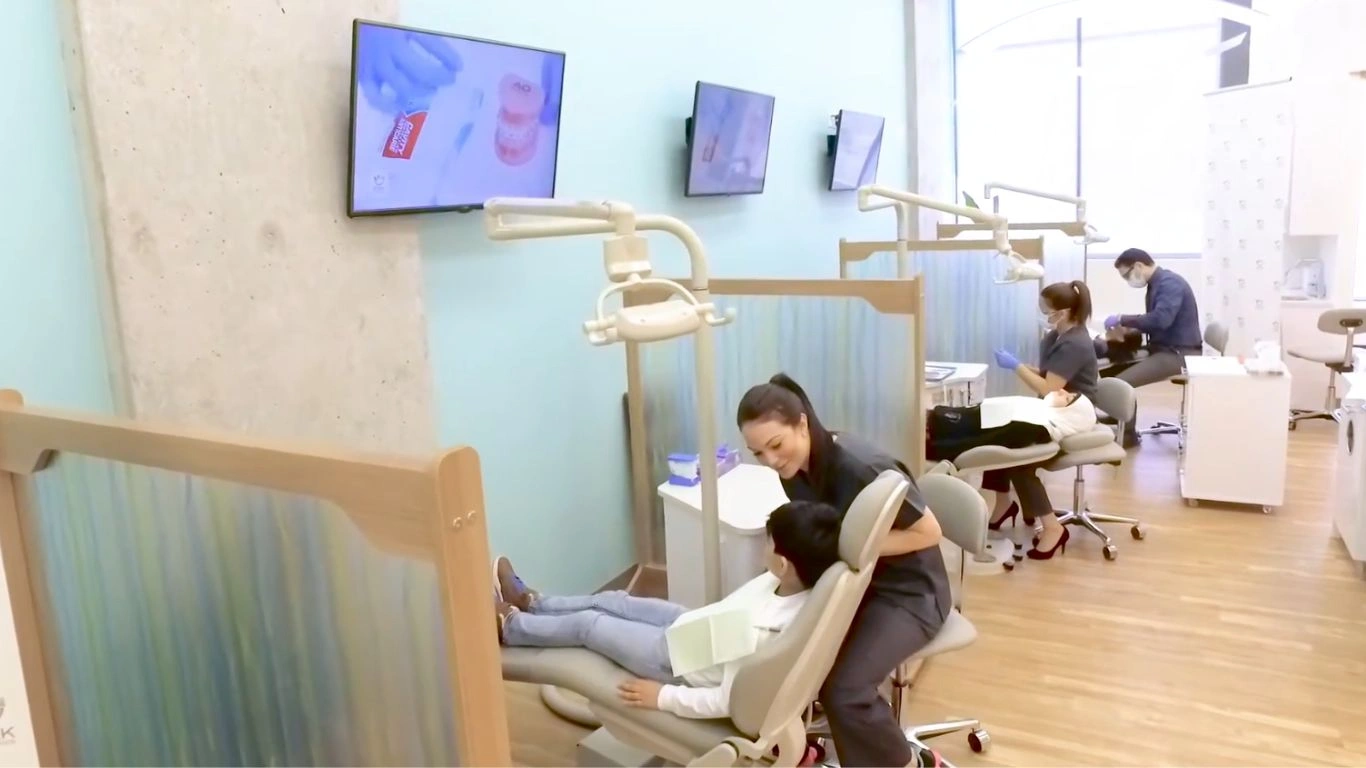
- Read More: 5 Proven Ways to Fix Misaligned Teeth
Life with Braces: A Survival Guide
Adapting to braces is a transition that requires a few simple adjustments:
The Braces-Friendly Menu: Stick to soft foods like smoothies and mashed potatoes after adjustments. Avoid "bracket-breakers" like popcorn, sticky candy, and biting into whole apples.
Sports and Hobbies: Athletes should wear an orthodontic mouthguard to protect their mouth and the braces. Musicians playing wind instruments can use orthodontic wax to prevent irritation.
The Locker Kit: Keep a small pouch with a travel toothbrush, floss threaders, and wax at school to handle food emergencies after lunch.
- Read More: Orthodontist for Kids
The First Visit: What to Expect
The initial consultation is a simple "fact-finding" mission to create a customized roadmap:
Digital Records: Many clinics now use 3D digital scanners instead of messy putty to create a model of the teeth.
Clinical Exam: The orthodontist evaluates the bite, jaw alignment, and spacing.
The Master Plan: You will receive a treatment timeline (usually 18 to 24 months) along with a breakdown of costs and insurance options.
- Read More: Kids Dental Clinic
Parent Corner: How to Support Your Teen
Orthodontics is a team effort. You can support your teen by normalizing the experience (reminding them that many peers have braces), celebrating milestones like "Halfway Day," and keeping pain relief ready for the days following an adjustment. Encouraging them to pick their own band colors or track their own aligner time helps them feel in control of the process.
Read More: How Can I Get Invisalign


Comments
Post a Comment