Retainer After Invisalign
Congratulations on completing your Invisalign treatment! You’ve worked hard to achieve that straight, beautiful smile. But before you pack away your aligners for good, there’s one crucial step left: wearing your retainer after Invisalign.
This guide is specifically for our Canadian neighbors, offering clear, simple information about your retainer, why it’s essential, and how to keep your smile perfect for life.
- Read More: Post Invisalign Retainer
Why a Retainer After Invisalign is Essential
Think of your retainer as an insurance policy for your new smile. During your Invisalign treatment, your aligners worked hard to move your teeth into proper alignment. However, your teeth aren’t immediately “set” in their new positions. The bones and ligaments around your teeth need time to adjust and stabilize. Without a retainer, your teeth will naturally try to shift back to where they were before—this process is called relapse.
This is why the retention phase is a non-negotiable step. It ensures that the investment you’ve made in your smile stays with you for years to come.
- Read More: Invisalign Retainer Price
3 Key Tips for Maintaining Long-Term Results
To ensure your straight teeth stay in place, here are three important things you should know about your retainer after Invisalign:
1. There Are Two Main Types of Retainers
Your orthodontist will help you decide which retainer is best for you based on your unique needs and lifestyle. The two main types of retainers are:
-
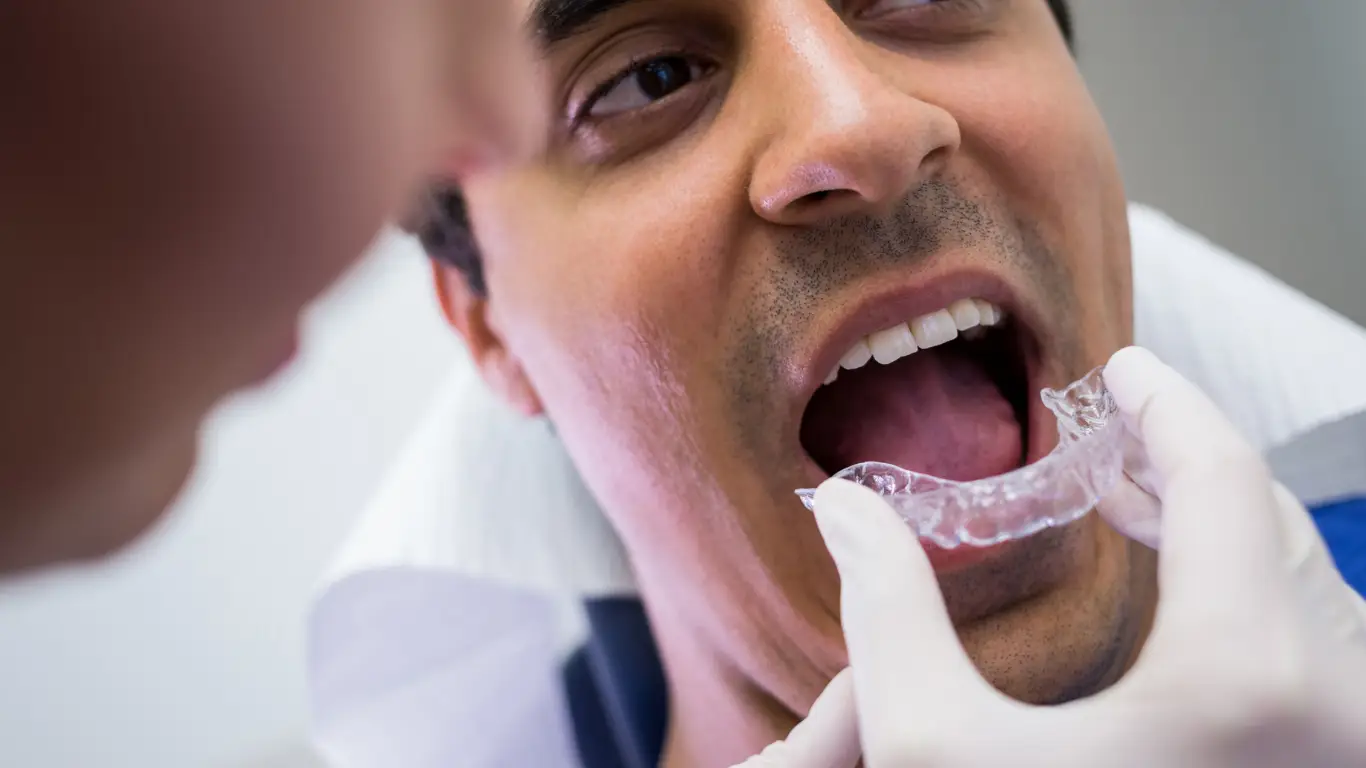
Removable Retainers: These are similar to your Invisalign trays but are made of clear plastic and custom-fitted to your teeth. Removable retainers are easy to clean and barely noticeable when worn. However, they can be lost or damaged if you’re not careful.
-
Fixed (Permanent) Retainers: These consist of a thin metal wire bonded to the back of your front teeth, usually on the lower jaw. Since it stays in place 24/7, it ensures you don’t forget to wear it. However, it requires more effort to clean and floss around, and it only covers a few of your teeth.
- Read More: Plastic vs. Metal Retainers: Which One Is Better?
2. Stick to the Wear Schedule — Especially in the First Year
The first 6 to 12 months after your treatment are the most important for retaining your new smile. During this time, your orthodontist will likely ask you to wear your removable retainer nearly full-time—around 20 to 22 hours a day. You’ll only take it out for eating, brushing, and flossing.
As your teeth stabilize, your orthodontist may allow you to transition to wearing the retainer just at night. However, never stop wearing your retainer entirely, even after the first year. Ongoing use is key to long-term stability.
- Read More: Invisible Braces for Adults
3. Keep Your Retainer Clean
It’s crucial to maintain a clean retainer—not only for aesthetics but also for your oral health. A dirty retainer can harbor bacteria, leading to bad breath, plaque buildup, and other oral issues.
Here’s how to keep your retainer in top shape:
-
For Removable Retainers: Gently brush them with a soft toothbrush and a mild, non-abrasive soap or a specialized retainer cleaner. Avoid using toothpaste, as it can scratch the plastic. When you're not wearing your retainer, always store it in its case to protect it from damage.
-
For Fixed Retainers: Use a floss threader or specialized orthodontic floss to clean under the wire. Flossing around a fixed retainer is essential to remove food particles and plaque, just like you would with traditional braces.
- Read More: Do You Have to Wear a Retainer Forever?
A Final Note: The Commitment to Retention
The retainer phase after Invisalign is essential to preserve your beautiful smile. Teeth naturally shift over time, so wearing your retainer as directed will ensure your hard-earned results are long-lasting. Remember, the effort you put into wearing your retainer is a small investment compared to the lifetime of confidence and oral health it will give you.
If you’re ready to take care of your smile for years to come, follow these tips and stay committed to your retainer. After all, your new smile deserves to last a lifetime!
Need an Expert Help? Contact York Orthodontics Right Away!


Comments
Post a Comment